
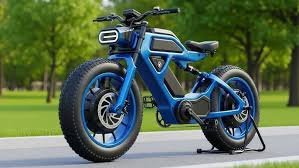
The Growing Popularity of Electric Bikes
Electric motorcycles are quickly becoming a preferred choice for riders looking for innovation, efficiency, and sustainability. With rising fuel costs and environmental concerns, many enthusiasts are turning to electric bikes for daily commuting and recreational riding. Their instant acceleration, quiet operation, and low maintenance make them both practical and enjoyable.
How Electric Motorcycles Operate
Electric motorcycles are powered by rechargeable batteries that run electric motors, replacing traditional internal combustion engines. These bikes convert electrical energy into motion, delivering smooth and immediate acceleration. Riders need to understand battery capacity, motor power, and efficiency ratings to select the right model for their lifestyle.
Types of Electric Motorcycles Available
Electric motorcycles cater to different riding styles. Commuter models focus on efficiency and city maneuverability, sport-oriented bikes prioritize speed and agility, adventure electric motorcycles are built for off-road and long-distance travel, and cruiser-style electric motorcycles emphasize comfort and aesthetic design. Choosing the right category ensures the bike fits the intended purpose.
Battery Life and Energy Management
Battery performance is crucial when selecting an electric motorcycle. Lithium-ion batteries are widely used because of their high energy density and long lifespan. The range depends on riding style, terrain, temperature, and battery size. Riders must plan charging and estimate realistic daily usage to avoid running out of power unexpectedly.
Charging Options and Infrastructure
Charging can be done at home using standard outlets, through dedicated home chargers, or at public charging stations. Charging times vary from under an hour with fast chargers to several hours with standard outlets. Understanding charging logistics is vital for daily commuting or long trips, ensuring convenience and minimal downtime.
Performance and Riding Experience
Electric motorcycles are known for instant torque and smooth acceleration. Many models have single-speed transmissions, simplifying the riding experience and reducing mechanical wear. Handling is influenced by weight distribution, suspension setup, and frame design. Test rides are essential to assess acceleration, cornering, and braking performance.
Cost Analysis and Ownership Advantages
Although electric motorcycles often have higher purchase prices, they offer lower long-term running costs. Electricity is cheaper than gasoline, and electric motors require minimal maintenance. Tax incentives, government rebates, and reduced fuel expenses contribute to financial savings over time.
Environmental Benefits
Electric motorcycles produce no tailpipe emissions, reducing air pollution and carbon footprint. They are also quieter than traditional motorcycles, lowering noise pollution in urban areas. Choosing electric bikes supports a shift toward sustainable transportation and a cleaner environment.
Advanced Technology Features
Modern electric motorcycles are equipped with digital dashboards, customizable ride modes, smartphone connectivity, GPS, and regenerative braking. These features improve safety, convenience, and the overall riding experience, offering riders more control and insight into performance metrics.
Comparing Electric and Gasoline Motorcycles
Electric motorcycles differ from traditional bikes in key ways. They provide immediate acceleration, require less maintenance, and operate quietly. On the other hand, range limitations and reliance on charging infrastructure may impact long-distance travel. Understanding these differences helps riders make informed decisions.
Safety Considerations
Safety remains paramount when riding electric motorcycles. Braking efficiency, stability at high speeds, and traction control are critical factors. Riders should wear appropriate protective gear and practice defensive riding techniques to adapt to the unique handling characteristics of electric bikes.
Personalization and Accessories
While performance modifications are limited, electric motorcycles can be customized with aesthetic and functional accessories. Riders can choose custom seats, handlebars, windshields, lighting upgrades, and luggage options to enhance comfort and reflect personal style.
The Future of Electric Motorcycles
Battery technology continues to evolve, providing longer ranges and faster charging. Lightweight materials, swappable batteries, and advanced connectivity features are shaping the next generation of electric motorcycles. Innovations like solar-assisted charging and AI-enhanced ride control promise to redefine electric mobility.
Rider Experiences and Community Insights
Electric motorcycle owners often praise their bikes for smooth acceleration, reduced operating costs, and ease of urban commuting. Online forums and communities provide valuable guidance, tips, and reviews. Learning from these experiences helps new riders make informed choices and set realistic expectations.
Planning Long-Distance Journeys
Range management is key for extended trips. Riders must plan charging stops, monitor battery usage, and allow extra time for charging. Extended-range models and fast-charging solutions are making long-distance travel more practical than ever for electric motorcycles.
Maintenance Tips for Longevity
Electric motorcycles require less maintenance than traditional bikes, but proper care is still essential. Routine checks of battery health, brakes, tires, and electrical systems help maintain reliability. Avoiding overcharging and keeping batteries within recommended temperature ranges prolongs battery life.
Cost Savings Over Time
Despite higher upfront costs, electric motorcycles offer substantial savings over time. Reduced fuel consumption, minimal maintenance requirements, and potential government incentives make them a financially smart option for many riders.
Social and Environmental Impact
Electric motorcycles reduce greenhouse gas emissions and noise pollution, benefiting communities and the environment. By choosing electric mobility, riders contribute to renewable energy initiatives and support sustainable transportation infrastructure.
Conclusion: Embracing the Electric Revolution
Electric motorcycles combine efficiency, innovation, and sustainability, providing a unique and enjoyable riding experience. Understanding battery capabilities, charging logistics, performance, and safety ensures riders make the right choice. With rapid advancements in technology and infrastructure, electric motorcycles are poised to become the future of two-wheel transportation, offering a smarter, cleaner, and thrilling way to ride.