
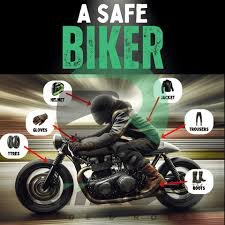
The Importance of Safe Riding
Motorcycle riding is an exhilarating experience, but it comes with unique risks. Unlike cars, motorcycles offer less protection in case of accidents. Understanding safety principles and adopting responsible riding habits is essential for reducing risk and ensuring an enjoyable riding experience. Riders must stay alert, follow traffic rules, and maintain their motorcycles to avoid preventable accidents.
Choosing the Right Riding Gear
Proper riding gear is one of the most critical safety measures. Helmets, jackets, gloves, pants, and boots designed for motorcyclists protect against impacts, abrasions, and weather conditions. Full-face helmets provide maximum protection for the head and face, while armored jackets and pants help prevent serious injuries. Wearing bright or reflective clothing improves visibility, making it easier for other road users to see you.
Helmet Selection and Proper Fit
Helmets are the single most important piece of safety equipment. A helmet must fit snugly without being too tight, and it should meet recognized safety standards. Riders should check for certifications like DOT, ECE, or Snell when purchasing helmets. Regularly inspecting helmets for damage and replacing them after impacts ensures continued protection.
Motorcycle Maintenance for Safety
A well-maintained motorcycle is a safe motorcycle. Regularly checking brakes, tires, lights, mirrors, and suspension systems prevents malfunctions that could lead to accidents. Oil changes, chain maintenance, and ensuring proper fluid levels contribute to smooth handling and reliable performance on the road.
Pre-Ride Safety Checks
Before every ride, riders should perform a quick safety check. Inspecting tires for pressure and wear, testing brakes, checking lights and indicators, and ensuring mirrors are adjusted correctly can prevent dangerous situations. Verifying that the fuel or battery level is sufficient for the journey avoids interruptions that could compromise safety.
Defensive Riding Techniques
Defensive riding is about anticipating hazards and avoiding risky situations. Maintaining a safe following distance, scanning the road ahead, and being aware of blind spots improves reaction time. Riders should assume that other drivers may not see them and be prepared to take evasive action if necessary.
Cornering and Turning Safely
Proper techniques for turning and cornering reduce the risk of losing control. Riders should slow down before entering a curve, lean with the bike, and avoid sudden acceleration or braking while turning. Smooth and controlled movements maintain traction and stability, especially on wet or uneven surfaces.
Speed Management and Risk Awareness
Excessive speed is a major factor in motorcycle accidents. Maintaining appropriate speeds for road conditions, traffic, and personal skill level allows more time to react to hazards. Being aware of surroundings and adjusting speed accordingly is key to safe riding.
Riding in Various Weather Conditions
Weather greatly affects riding safety. Rain reduces traction and increases braking distances, while wind can destabilize the motorcycle. Riders should adjust their speed, maintain greater following distances, and use smooth throttle and braking inputs. Proper rain gear and visibility enhancements also improve safety.
Night Riding Safety Tips
Night riding presents unique challenges due to reduced visibility. Using headlights correctly, wearing reflective gear, and being extra cautious at intersections are essential. Riders should avoid riding when fatigued, keep a safe following distance, and watch for animals or pedestrians.
Traffic Awareness and Lane Positioning
Effective lane positioning improves visibility and provides space to react to hazards. Staying out of blind spots, avoiding riding directly alongside other vehicles, and positioning for better sightlines allow riders to navigate traffic safely. Scanning intersections and anticipating actions of other drivers reduces the likelihood of collisions.
Riding with Passengers
Carrying a passenger changes a motorcycle’s handling. Riders should communicate clearly with passengers, ensure proper seating, and adjust speed and braking distances. Gradually introducing a passenger to riding helps both parties become comfortable and maintain balance and control.
Group Riding Safety
Group rides require coordination and clear communication. Establishing riding order, hand signals, and spacing ensures everyone’s safety. Riders should avoid weaving, overtaking unpredictably, or riding too close to each other. Planning stops and maintaining a consistent pace reduces the risk of accidents.
Emergency Maneuvers and Braking Techniques
Riders must know how to react in emergencies. Techniques like threshold braking, swerving safely, and maintaining balance during sudden stops help avoid collisions. Practicing emergency maneuvers in safe environments builds confidence and reaction time for real-world situations.
Road Hazard Awareness
Motorcyclists are more affected by road hazards such as potholes, debris, oil spills, and gravel. Scanning the road ahead and avoiding hazards when possible prevents loss of traction. Slow down when approaching unfamiliar surfaces, and adjust positioning to navigate safely.
Riding Skill Development
Continuous skill development is essential for safe riding. Rider training courses, track days, and practice in controlled environments improve handling, cornering, braking, and emergency response. Experienced riders often emphasize that confidence comes from preparation and repeated practice rather than speed.
Using Technology for Safety
Modern motorcycles often come with technology to enhance safety, such as anti-lock braking systems, traction control, electronic stability aids, and adaptive lighting. Riders should understand how these systems work and use them to complement, not replace, safe riding habits.
Health and Fitness for Motorcyclists
Physical fitness affects riding performance and safety. Core strength, flexibility, and endurance improve balance, control, and reaction times. Staying hydrated and rested reduces fatigue, which is a major factor in accidents. Mental alertness and focus are as important as physical readiness.
Rider Etiquette and Respecting Other Road Users
Safe riding includes courteous and responsible behavior. Using signals, respecting speed limits, yielding when appropriate, and sharing the road with other vehicles and pedestrians contributes to a safer environment. Defensive riding and patience prevent unnecessary confrontations and reduce accident risks.
Planning Routes and Riding Smart
Planning routes in advance allows riders to avoid hazardous roads, heavy traffic, and areas with poor visibility. Knowing rest stops, fuel or charging locations, and weather conditions ensures smoother and safer journeys. Strategic planning helps riders stay alert and prepared.
Conclusion: Prioritizing Safety for Every Ride
Motorcycle riding can be exhilarating, but safety must always be a priority. Using proper gear, maintaining the bike, practicing defensive techniques, and continuously developing skills reduces risks. By adopting responsible habits, staying aware of surroundings, and respecting traffic rules, riders can enjoy a safe, enjoyable, and fulfilling riding experience every time they hit the road.