
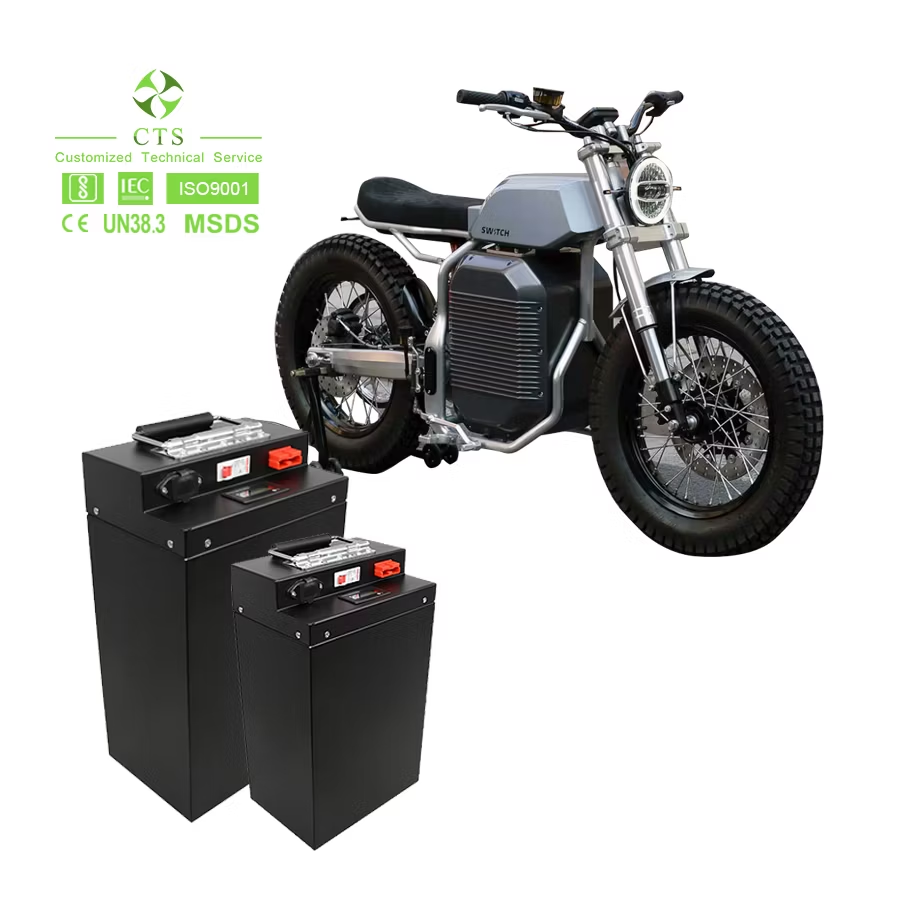
We live in a world that is always on the move. From the smartphone in your pocket to the electric car in your driveway, almost everything we use today depends on a small, quiet box of energy. Understanding battery types & technology is no longer just for scientists or engineers; it is something every modern person should know. A battery is essentially a tiny chemical factory that turns stored energy into electricity. In 2026, we are seeing a massive explosion in new ways to store power, making our devices last longer and our vehicles travel further. In this guide, we will explore the fascinating world of battery types & technology using simple English and a friendly, human tone. We want to show you how these amazing inventions work and why the future of our planet depends on the progress of battery types & technology. Whether you are a curious student or just someone who is tired of their phone dying at noon, this guide will give you a clear view of the power behind our digital lives.
Why Battery Types & Technology are the Heart of Innovation
Think about how much your life would change if you had to plug everything into a wall all the time. You couldn’t walk down the street while talking on the phone, and you couldn’t take photos at a park. Battery types & technology give us the freedom to be mobile. But it is not just about convenience. Modern battery types & technology are the key to fighting climate change. We can create plenty of energy from the sun and the wind, but the sun doesn’t always shine, and the wind doesn’t always blow. We need advanced battery types & technology to catch that energy and save it for later. By improving battery types & technology, we are making it possible to power our entire world with clean, green energy. It is one of the most important fields of study in the 21st century.
The Classic Lead-Acid Battery: The Old Reliable
When we talk about battery types & technology, we have to start with the grandfather of them all: the lead-acid battery. This technology has been around for over 150 years. You probably have one under the hood of your car right now. While they are very heavy and don’t store as much energy as newer designs, they are incredibly reliable and cheap to make. In the world of battery types & technology, lead-acid batteries are the “muscle.” they can provide a huge burst of power to start a heavy engine. They are also highly recyclable, with almost 99% of a lead-acid battery being turned into something new after it dies. Even with all the new inventions, this classic part of battery types & technology is still a vital part of our daily lives.
Lithium-Ion: The King of Modern Battery Types & Technology
If lead-acid is the grandfather, then Lithium-ion (Li-ion) is the reigning king. This is the battery types & technology found in almost every laptop, tablet, and smartphone. Why is it so popular? Because it is light and can hold a lot of energy for its size. In the early days of battery types & technology, portable electronics were bulky and heavy because the batteries were inefficient. Lithium-ion changed everything. It also has a “long cycle life,” which means you can charge and discharge it hundreds of times before it starts to wear out. As we look at the evolution of battery types & technology, Li-ion has moved from small gadgets to giant electric vehicles, proving that it is the most versatile power source we have ever created.
Nickel-Metal Hydride (NiMH): The Reusable Choice
Before Lithium-ion became the standard, Nickel-Metal Hydride was the go-to for high-end battery types & technology. You might still see these in the form of rechargeable AA or AAA batteries used in TV remotes and toys. In the history of battery types & technology, NiMH was a big step up from the older Nickel-Cadmium (NiCd) batteries because they didn’t have a “memory effect” and were much better for the environment. While they aren’t as powerful as Lithium-ion, they are very safe and durable. Many early hybrid cars used this specific battery types & technology because it could handle a lot of use without getting too hot. It remains a solid, dependable option in the wide world of energy storage.
The Future of Battery Types & Technology: Solid State Batteries
The next big leap in battery types & technology is something called “Solid-State.” Currently, most batteries use a liquid or gel inside to move energy around. However, scientists are working on a new type of battery types & technology that uses a solid material instead. This is a game-changer for two reasons: safety and speed. Solid-state batteries don’t catch fire as easily as liquid-based ones, and they can be charged in minutes instead of hours. When this battery types & technology becomes common in 2026 and beyond, an electric car could be “refueled” as fast as a gasoline car. It is the “holy grail” of battery types & technology that researchers all over the world are trying to perfect.
Sodium-Ion: A Cheaper and Greener Alternative
One problem with current battery types & technology is that materials like Lithium and Cobalt are expensive and hard to find. This is where Sodium-ion comes in. Sodium is basically salt, and it is found everywhere. By using sodium in battery types & technology, we can make batteries that are much cheaper. While they might not hold as much energy as Lithium-ion yet, they are perfect for things that don’t need to be super light, like storing energy for a house or a power grid. This branch of battery types & technology is becoming very popular because it is more sustainable and doesn’t rely on rare minerals mined in far-off countries. It is a “salt of the earth” solution to our energy needs.
Understanding Battery Life and Health
No matter which battery types & technology your device uses, it won’t last forever. Every time you charge your battery, tiny chemical changes happen inside that slowly wear it down. To get the most out of your battery types & technology, you should avoid “extreme” conditions. Batteries hate being too hot or too cold. They also don’t like being kept at 0% or 100% for a long time. Modern battery types & technology is smartest when it stays between 20% and 80% charge. By following these simple rules, you can extend the life of your device and reduce the need for a replacement. Caring for your battery is just as important as the technology itself.
The Importance of Battery Recycling and the Environment
As our world uses more battery types & technology, we are faced with a big problem: what do we do with the old ones? Batteries contain chemicals that can be harmful if they are just tossed in the trash. A major part of the conversation around battery types & technology in 2026 is “Circular Economy.” This means designing batteries so they can be easily taken apart and the materials reused. Many companies are now building giant factories just to recycle old EV batteries. By supporting recycling in battery types & technology, we ensure that we don’t have to keep digging up the earth to find new minerals. It is the final, vital step in the life of a battery.
How to Choose the Right Battery for Your Needs
With so many battery types & technology available, how do you pick the right one? It all comes down to what you need the power for. If you need something very light for a drone, Lithium-polymer (a cousin of Li-ion) is best. If you need a reliable backup for your home’s solar panels, a large Sodium-ion or Lead-acid bank might be the right choice. Understanding the “energy density” and “cost per kilowatt” of different battery types & technology helps you make a smart decision. Don’t just look at the price; look at how long the battery will last and how safe it is for your specific use. Being an informed consumer in the world of battery types & technology saves you money and frustration.
Conclusion: Powering Our Way into a Brighter Future
In conclusion, battery types & technology are the invisible force that drives our modern lives. From the 150-year-old lead-acid designs to the cutting-edge solid-state and sodium-ion inventions of 2026, we are constantly finding better ways to store the energy we need. We have looked at the classic car battery, the kingly Lithium-ion, and the exciting future of solid-state power. We also discussed how to care for your batteries and the vital importance of recycling.
The world is changing, and as we move away from fossil fuels, battery types & technology will only become more important. Every time you plug in your phone or drive an electric car, you are participating in a giant scientific journey. By understanding how these power sources work, you can make better choices for your gadgets, your wallet, and your planet. The future is electric, and it is all thanks to the incredible world of battery types & technology!