
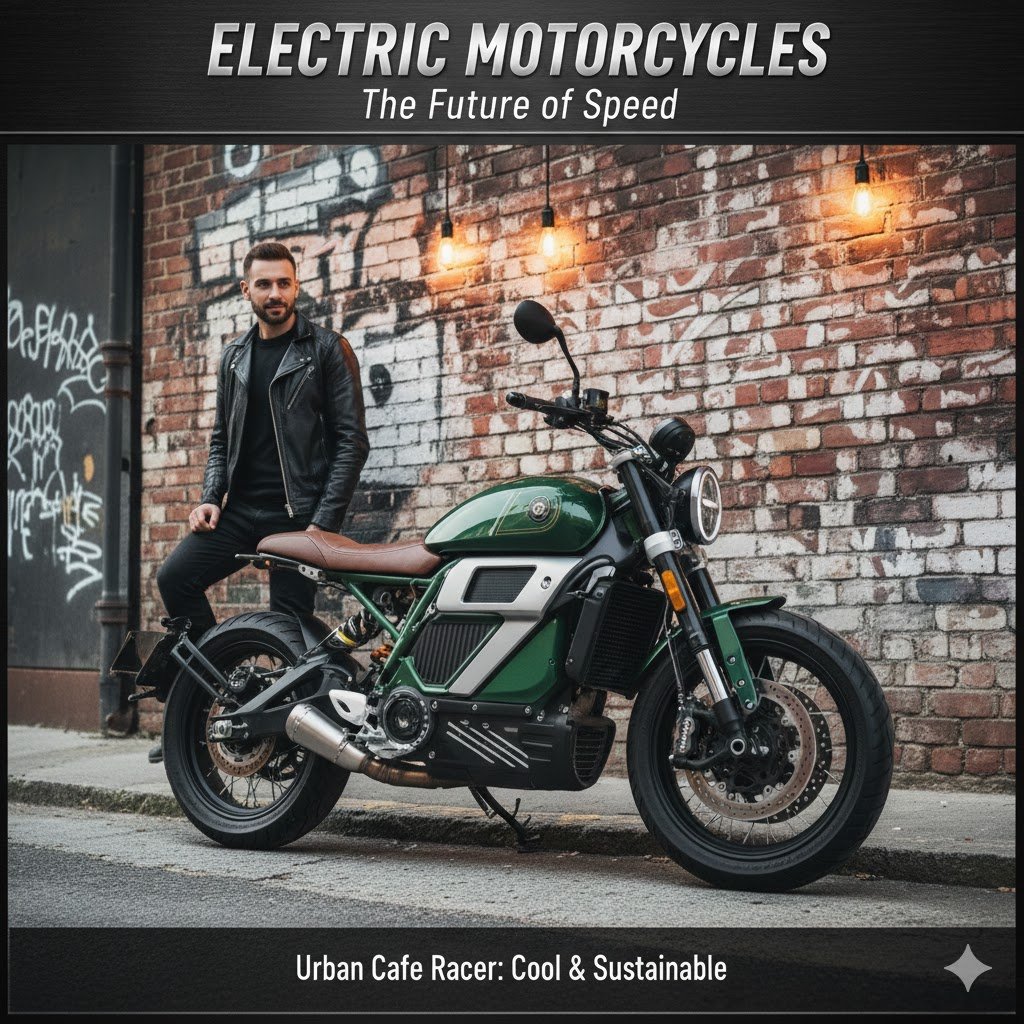
The Rise of Electric Motorcycles
Electric motorcycles are becoming an increasingly popular alternative to conventional gasoline-powered bikes. They offer an eco-friendly, efficient, and low-maintenance option for riders seeking innovation. The combination of instant torque, quiet operation, and reduced environmental impact has made them an appealing choice for both urban commuting and recreational riding.
How Electric Motorcycles Work
Electric motorcycles use rechargeable batteries to power an electric motor, eliminating the need for a traditional internal combustion engine. These bikes convert electrical energy into motion, producing smooth and immediate acceleration. Understanding motor types, battery capacity, and power output is essential for riders to choose the right electric motorcycle for their needs.
Types of Electric Motorcycles
Electric motorcycles come in several types, each designed for a different style of riding. Commuter bikes focus on efficiency and maneuverability in urban settings. Sport electric motorcycles emphasize speed and performance for thrill-seekers. Adventure electric motorcycles combine off-road capabilities with long-distance endurance. Cruiser-style electric motorcycles prioritize comfort, style, and smooth rides. Choosing the right type ensures the bike matches the rider’s goals.
Battery Life and Range Considerations
Battery performance is a key factor in selecting an electric motorcycle. Lithium-ion batteries are the most common due to their high energy density and long lifespan. Range varies based on battery size, terrain, riding style, and temperature. Riders should plan trips realistically, considering daily commutes, charging availability, and the potential for long-distance travel.
Charging Options and Convenience
Electric motorcycles can be charged at home using standard outlets or faster chargers, and public charging stations are becoming more common. Charging times vary depending on battery capacity and charger type, ranging from under an hour with fast chargers to several hours with standard outlets. Riders should consider charging logistics to ensure convenience and minimal downtime.
Performance and Handling
Electric motorcycles are known for their instant torque and smooth power delivery. Many models feature single-speed transmissions, which simplify riding and reduce mechanical complexity. Handling depends on weight distribution, suspension design, and tire selection. Test rides are essential to evaluate how a bike feels in acceleration, cornering, and braking.
Cost of Ownership and Financial Benefits
While electric motorcycles often have higher upfront costs than traditional bikes, they provide lower running costs. Electricity is cheaper than gasoline, and electric motors require minimal maintenance compared to internal combustion engines. Additionally, some regions offer tax incentives or rebates for electric vehicle purchases, making them more affordable over time.
Environmental Advantages
Electric motorcycles produce zero tailpipe emissions, reducing air pollution and contributing to a cleaner environment. They also reduce noise pollution, improving quality of life in urban areas. Choosing an electric motorcycle supports sustainability and helps reduce reliance on fossil fuels.
Technology and Smart Features
Modern electric motorcycles include advanced technology to enhance the riding experience. Digital dashboards, customizable ride modes, smartphone connectivity, GPS integration, and regenerative braking are common features. These innovations allow riders to monitor performance, optimize battery usage, and enjoy a more connected and personalized ride.
Comparing Electric Bikes to Gasoline Models
Electric motorcycles differ from gasoline bikes in several ways. They provide instant acceleration, reduced maintenance, and quieter operation. Range limitations and charging needs are the primary trade-offs. Understanding these differences helps riders decide if an electric bike fits their lifestyle, commuting needs, and riding preferences.
Safety Considerations
Safety is a critical factor for all motorcycles, including electric ones. Features like traction control, anti-lock brakes, and stability systems are important. Riders should also invest in high-quality protective gear and practice defensive riding, especially when adjusting to the unique acceleration and handling characteristics of an electric motorcycle.
Customization and Accessories
Although performance modifications are limited for electric motorcycles, riders can personalize their bikes with aesthetic and functional accessories. Seats, handlebars, windshields, lighting upgrades, and luggage options allow customization that improves both style and comfort.
The Future of Electric Motorcycles
Battery technology is evolving, offering longer ranges and faster charging times. Lightweight materials, swappable battery systems, and solar-assisted charging are emerging trends. Smart connectivity and AI-assisted riding features are expected to redefine the way riders interact with electric motorcycles.
Rider Experiences and Community Insights
Electric motorcycle riders often report smooth acceleration, lower running costs, and enjoyable city commuting. Online communities, forums, and social media groups provide feedback, tips, and advice. Learning from experienced riders helps new buyers choose the right bike and understand realistic performance expectations.
Planning Long-Distance Trips
Range anxiety is a common concern for electric motorcycles. Proper trip planning, awareness of charging locations, and understanding battery consumption are essential for long rides. Extended-range models and fast-charging options are making touring on electric motorcycles increasingly feasible.
Maintenance and Reliability
Electric motorcycles generally require less maintenance than gasoline bikes. Regular checks include battery health, tire condition, brakes, and electrical connections. Avoiding overcharging and keeping batteries within recommended temperature ranges prolongs battery life. Proper care ensures longevity and reliable performance.
Cost Savings Over Time
Over the long term, electric motorcycles can save money. Lower electricity costs, minimal maintenance, and potential tax benefits contribute to lower total ownership costs. Riders who factor in these savings often find electric motorcycles a financially sound choice.
The Environmental and Social Impact
Choosing an electric motorcycle reduces greenhouse gas emissions and contributes to cleaner urban air. Lower noise pollution enhances community well-being. Supporting electric mobility also encourages investment in renewable energy and sustainable transportation infrastructure.
Conclusion: Embracing the Electric Revolution
Electric motorcycles are redefining the riding experience, combining eco-friendly benefits, innovative technology, and unique performance characteristics. Riders who understand battery technology, charging infrastructure, and performance factors can make informed decisions. With growing options and advancements, electric motorcycles represent the future of two-wheeled mobility, offering a cleaner, smarter, and enjoyable way to ride.