Experiencing the Freedom of the Open Road
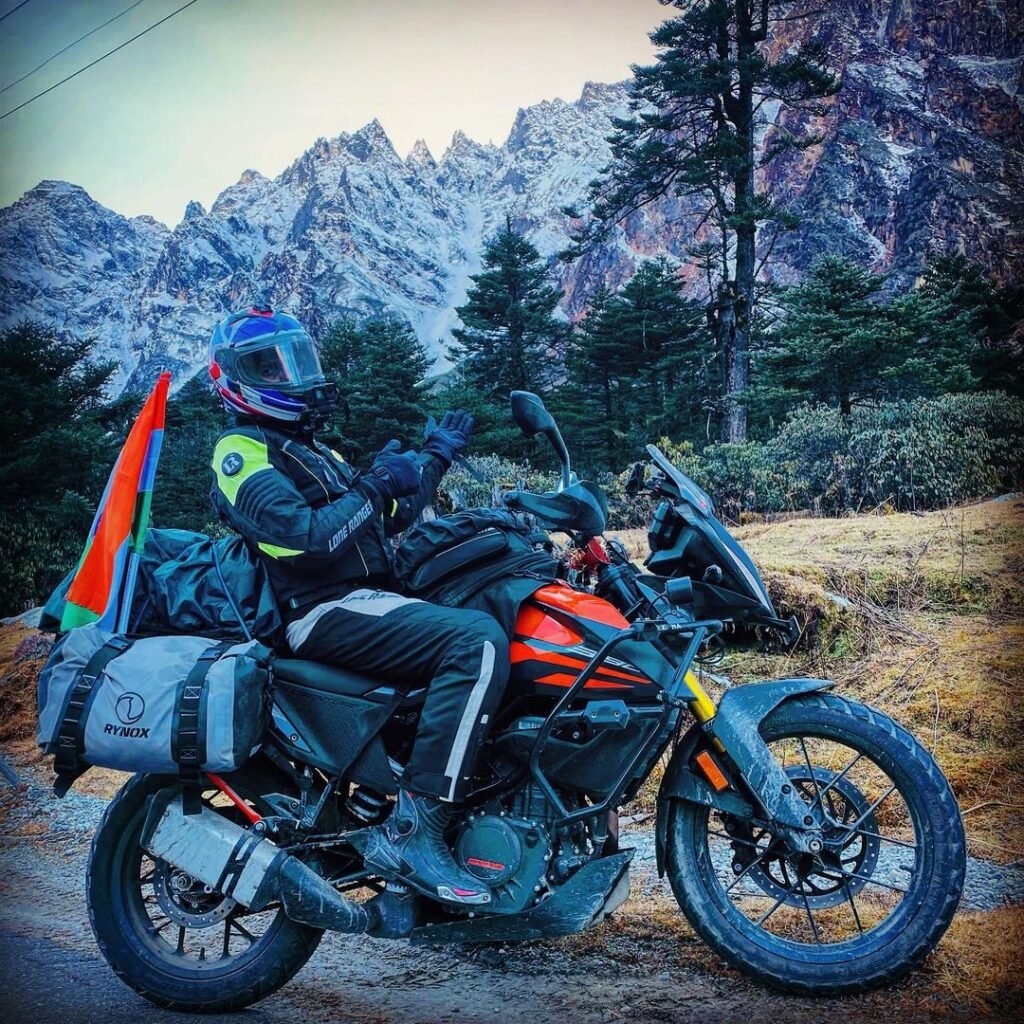
Motorcycle touring is an adventure that offers unmatched freedom and excitement. Unlike short rides or commuting, long-distance trips allow riders to explore new landscapes, experience local culture, and enjoy the thrill of the journey itself. Touring is an immersive way to connect with both the road and the surrounding environment.
Strategic Trip Planning for Riders
A successful motorcycle tour starts with careful preparation. Riders should plan routes, identify fuel or charging stops, and arrange accommodations. Considering road conditions, terrain, and weather ensures fewer surprises and a more enjoyable journey. Planning ahead lets riders focus on the experience rather than the logistics.
Picking the Perfect Motorcycle for Touring
Choosing the right bike for long trips is essential. Adventure and touring motorcycles provide comfort for extended rides with upright seating, wind protection, and storage options. Cruisers and sport-tourers offer smooth handling at highway speeds. Selecting a bike suited to your touring style enhances comfort, control, and enjoyment.
Packing Essentials for Extended Rides
Smart packing is critical for long-distance trips. Essential items include protective gear, tools, a first-aid kit, navigation devices, and weather-appropriate clothing. Keeping luggage light and organized maintains bike stability and reduces fatigue.
Riding Gear for Safety and Comfort
Extended rides demand gear that balances protection with comfort. Helmets, jackets, gloves, pants, and boots designed for touring provide injury protection and help reduce fatigue. Ergonomic seats and ventilated helmets further enhance long-distance riding comfort.
Using Navigation Tools Effectively
GPS systems, smartphone apps, and offline maps help riders navigate efficiently. Planning alternative routes for unexpected detours ensures continuity and reduces stress. Knowing fuel stations, lodging options, and scenic stops allows riders to focus on the journey itself.
Bike Maintenance for Long-Distance Trips
A dependable motorcycle is crucial for touring. Conduct pre-ride checks on brakes, tires, lights, suspension, and fluids. Carry essential tools and spares to handle minor repairs. Proper maintenance ensures reliability and minimizes disruptions on the road.
Managing Rider Fatigue During Tours
Long rides can be physically demanding. Regular breaks, proper hydration, stretching, and adjusting posture help reduce fatigue. Comfortable, ergonomic seating and properly fitted gear support endurance for hours of continuous riding.
Techniques for Smooth and Safe Riding
Consistent throttle control, gentle braking, and smooth cornering increase safety on long trips. Riders should adjust their riding style to road conditions and practice defensive techniques to stay prepared for unexpected hazards.
Planning Overnight Stops
Rest is critical for long tours. Select accommodations with secure parking and suitable facilities. Regular breaks allow riders to recharge, improving focus, alertness, and overall safety during the journey.
Weather Preparedness for Touring
Weather conditions can change quickly during a tour. Carry rain gear, layered clothing, and sun protection. Checking forecasts and adapting routes ensures a safer and more comfortable ride.
Discovering Scenic and Cultural Attractions
Motorcycle touring is about the journey, not just the destination. Riders can enjoy scenic byways, national parks, and cultural landmarks. Safe stops for sightseeing or photography enrich the experience and provide memorable moments.
Safety and Coordination in Group Rides
When riding with others, communication and organization are vital. Establish signals, maintain safe distances, and agree on a lead rider. Riding as a cohesive group increases safety, creates camaraderie, and enhances the overall adventure.
Fuel and Power Management
Running out of fuel or battery can derail a tour. Plan refueling stops and charging locations in advance, especially for electric motorcycles. Being prepared ensures a smooth, uninterrupted journey.
Maintaining Physical Fitness on Tours
Fitness directly impacts comfort and safety. Core strength, flexibility, and endurance improve balance and control. Hydration, nutrition, and sufficient rest maintain energy levels for long hours on the road.
Documenting Your Journey
Motorcycle touring creates memorable experiences. Stop safely to capture photos, write in a travel journal, or share highlights online. Prioritize safety and never stop in hazardous areas to take pictures.
On-the-Road Motorcycle Maintenance
Routine inspections during a tour keep the bike in optimal condition. Check brakes, tires, chain, and fluids regularly. Addressing minor issues prevents major breakdowns and keeps the ride smooth.
Being Prepared for Emergencies
Unexpected situations can arise during long trips. Carry a first-aid kit, emergency contacts, and basic tools. Familiarity with nearby hospitals and service centers provides added security.
Practicing Courtesy and Road Respect
Safe touring requires courteous behavior. Signal intentions, follow traffic rules, yield appropriately, and respect other road users. Responsible riding reduces risk and improves the overall touring experience for everyone.
Budgeting for Long Trips
Financial planning is essential for stress-free touring. Account for fuel, accommodations, meals, tolls, and emergency expenses. Having extra funds ensures that unforeseen costs do not disrupt the journey.
Protecting the Environment While Touring
Respecting the environment is part of responsible touring. Stick to designated routes, avoid littering, and protect natural habitats. Sustainable practices help preserve destinations for future riders.
Conclusion: Enjoying Touring Responsibly
Motorcycle touring combines adventure, exploration, and the freedom of the open road. With proper planning, safe riding techniques, and attention to comfort and gear, riders can enjoy extended trips safely. Prioritizing preparation and awareness ensures every journey is memorable, enjoyable, and secure.