
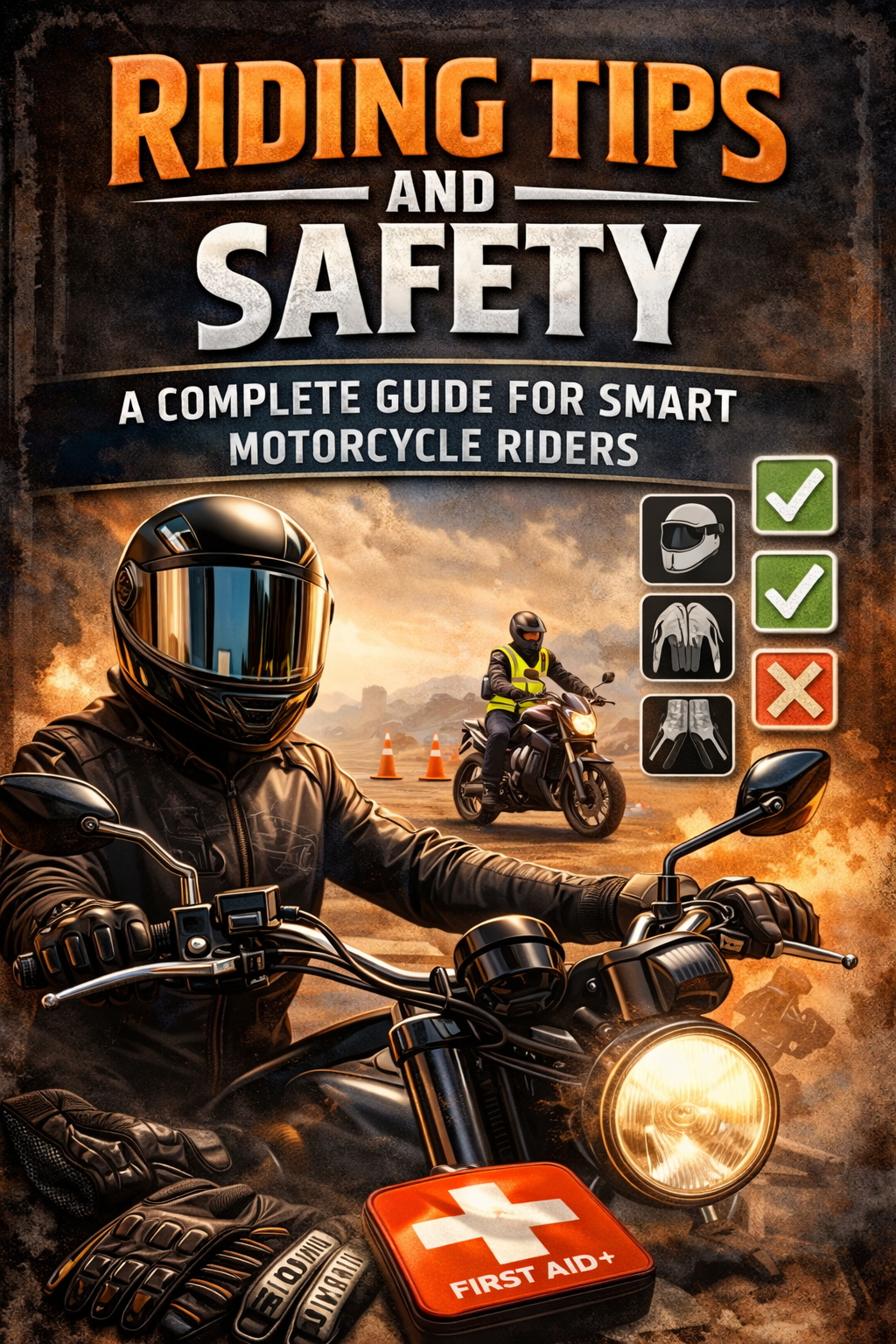
Motorcycle riding offers freedom, excitement, and a strong connection to the road. However, it also requires responsibility, awareness, and proper riding habits. Safety is not only about wearing protective gear. It is about mindset, skills, preparation, and continuous learning.
At motorreviewbike, we believe that every rider can improve their riding experience by following proven riding tips and safety practices. This detailed guide is designed to help beginners build confidence and experienced riders sharpen their skills. Whether you ride daily in city traffic or enjoy long highway trips, safety should always be your top priority.
Why Motorcycle Safety Matters
Motorcycles offer less physical protection compared to cars. This makes riders more vulnerable to road hazards, weather conditions, and mistakes made by other drivers.
Practicing safe riding habits helps reduce accident risk
Good riding skills improve reaction time
Awareness increases confidence and control
Safety focused riders enjoy longer riding careers
Riding safely does not mean riding slowly. It means riding smart and staying in control at all times.
Understanding the Rider Mindset
Before discussing techniques and gear, it is important to understand the right mindset for riding.
Stay Calm and Focused
A calm rider makes better decisions.
Avoid riding when angry or stressed
Stay focused on the road and surroundings
Do not ride under fatigue or distraction
Ride Defensively
Defensive riding means anticipating problems before they happen.
Assume other drivers may not see you
Keep safe distance from vehicles
Be prepared to react at all times
Respect Your Limits
Overconfidence leads to mistakes.
Do not push beyond your skill level
Practice new skills gradually
Learn from experienced riders
Essential Riding Gear for Safety
Protective gear plays a crucial role in rider safety. Quality gear can reduce injury severity during accidents.
Helmet Importance
A helmet is the most important safety item.
Protects the head from impact
Reduces risk of serious injury
Improves confidence while riding
Always choose a helmet that fits properly and meets safety standards.
Riding Jackets and Pants
Protective clothing shields your body from abrasion and impact.
Provides protection for shoulders and elbows
Reduces injury during falls
Improves comfort in different weather conditions
Gloves and Footwear
Hands and feet are vulnerable during accidents.
Gloves protect hands and improve grip
Riding boots protect ankles and toes
Proper footwear improves control
Pre Ride Safety Checks
A few minutes of inspection before riding can prevent many problems on the road.
Tire Condition
Tires affect grip and stability.
Check air pressure regularly
Inspect tread depth
Look for cracks or damage
Brakes and Controls
Reliable brakes are essential.
Test front and rear brakes
Ensure smooth throttle response
Check clutch and lever movement
Lights and Signals
Visibility improves safety.
Check headlight function
Ensure brake light works
Test turn indicators
Basic Riding Techniques for Beginners
Strong fundamentals help riders stay safe in all situations.
Proper Riding Posture
Good posture improves balance and control.
Relax your arms and shoulders
Keep knees close to the fuel tank
Maintain upright head position
Smooth Throttle Control
Abrupt throttle input can cause loss of control.
Apply throttle gradually
Avoid sudden acceleration
Maintain steady speed
Controlled Braking
Braking technique affects stopping distance.
Use both front and rear brakes
Apply pressure smoothly
Avoid sudden braking unless necessary
Cornering Tips for Better Control
Corners are common accident zones for riders. Proper technique reduces risk.
Look Through the Turn
Your bike follows your eyes.
Focus on the exit of the corner
Avoid staring at obstacles
Keep head and eyes level
Maintain Stable Speed
Speed control is key in corners.
Slow down before entering the turn
Maintain steady throttle
Avoid braking mid corner
Lean With the Bike
Correct body position improves balance.
Lean smoothly into the turn
Stay relaxed
Avoid sudden movements
Riding in Traffic Safely
City traffic presents unique challenges for motorcycle riders.
Stay Visible
Visibility reduces accident risk.
Wear bright or reflective gear
Use headlights during daytime
Position yourself where drivers can see you
Maintain Safe Distance
Space gives you time to react.
Avoid riding too close to vehicles
Leave escape routes
Adjust distance based on traffic speed
Watch for Blind Spots
Drivers may not notice motorcycles.
Avoid staying in blind spots
Pass vehicles decisively
Use mirrors frequently
Highway Riding Safety Tips
Highway riding involves higher speeds and longer distances.
Maintain Consistent Speed
Sudden speed changes confuse other drivers.
Match traffic flow
Avoid unnecessary lane changes
Stay predictable
Stay Alert for Wind and Weather
Weather affects stability.
Be cautious during strong winds
Reduce speed in rain
Stay relaxed and steady
Take Breaks on Long Rides
Fatigue reduces reaction time.
Stop regularly to rest
Stay hydrated
Stretch muscles
Riding in Bad Weather Conditions
Weather changes riding conditions dramatically.
Riding in Rain
Rain reduces traction and visibility.
Slow down gradually
Increase following distance
Avoid sudden inputs
Riding at Night
Night riding requires extra attention.
Use proper lighting
Reduce speed
Watch for animals and obstacles
Hot and Cold Weather Riding
Extreme temperatures affect focus.
Dress appropriately
Stay hydrated in heat
Layer clothing in cold weather
Advanced Safety Techniques
Experienced riders benefit from advanced skills.
Emergency Braking Practice
Practice improves reaction.
Practice in controlled environments
Learn maximum braking technique
Stay calm during emergencies
Swerving Techniques
Swerving helps avoid obstacles.
Practice quick direction changes
Keep eyes focused ahead
Avoid braking during swerve
Hazard Awareness
Recognizing hazards early saves lives.
Watch road surfaces
Look for oil spills and gravel
Anticipate traffic behavior
Common Riding Mistakes to Avoid
Many accidents happen due to avoidable errors.
Riding too fast for conditions
Ignoring safety gear
Overconfidence in skills
Distracted riding
Poor maintenance habits
Learning from mistakes improves safety and confidence.
Importance of Motorcycle Training
Formal training improves skills significantly.
Professional instructors teach correct techniques
Training builds confidence
Practice improves muscle memory
Even experienced riders benefit from refresher courses.
Mental and Physical Fitness for Riders
Riding requires both mental and physical readiness.
Mental Awareness
Stay focused on riding.
Avoid distractions
Stay calm under pressure
Be patient in traffic
Physical Readiness
Fitness improves control.
Maintain strength and flexibility
Avoid riding when exhausted
Stretch before long rides
Passenger Safety Tips
Carrying a passenger changes bike handling.
Adjust suspension if needed
Communicate with passenger
Ensure passenger wears safety gear
Smooth riding becomes even more important with a passenger onboard.
How MotorReviewBike Supports Safer Riding
At motorreviewbike, we are committed to promoting safe and responsible riding.
Educational riding guides
Safety focused reviews
Gear recommendations
Real world riding advice
Our content helps riders make informed decisions and develop safer riding habits.
Final Thoughts on Riding Tips and Safety
Motorcycle safety is a continuous learning process. Every ride offers an opportunity to improve skills, awareness, and judgment. Riding safely does not take away the joy of motorcycling. Instead, it enhances confidence, comfort, and long term enjoyment.
By wearing proper gear, practicing good riding techniques, staying alert, and respecting road conditions, riders can significantly reduce risks. Whether you are a new rider or a seasoned enthusiast, safety should always come first.
Stay connected with motorreviewbike for trusted riding tips, safety guides, and expert insights that help you enjoy the road responsibly and confidently.