Understanding the Importance of a Buying Guide
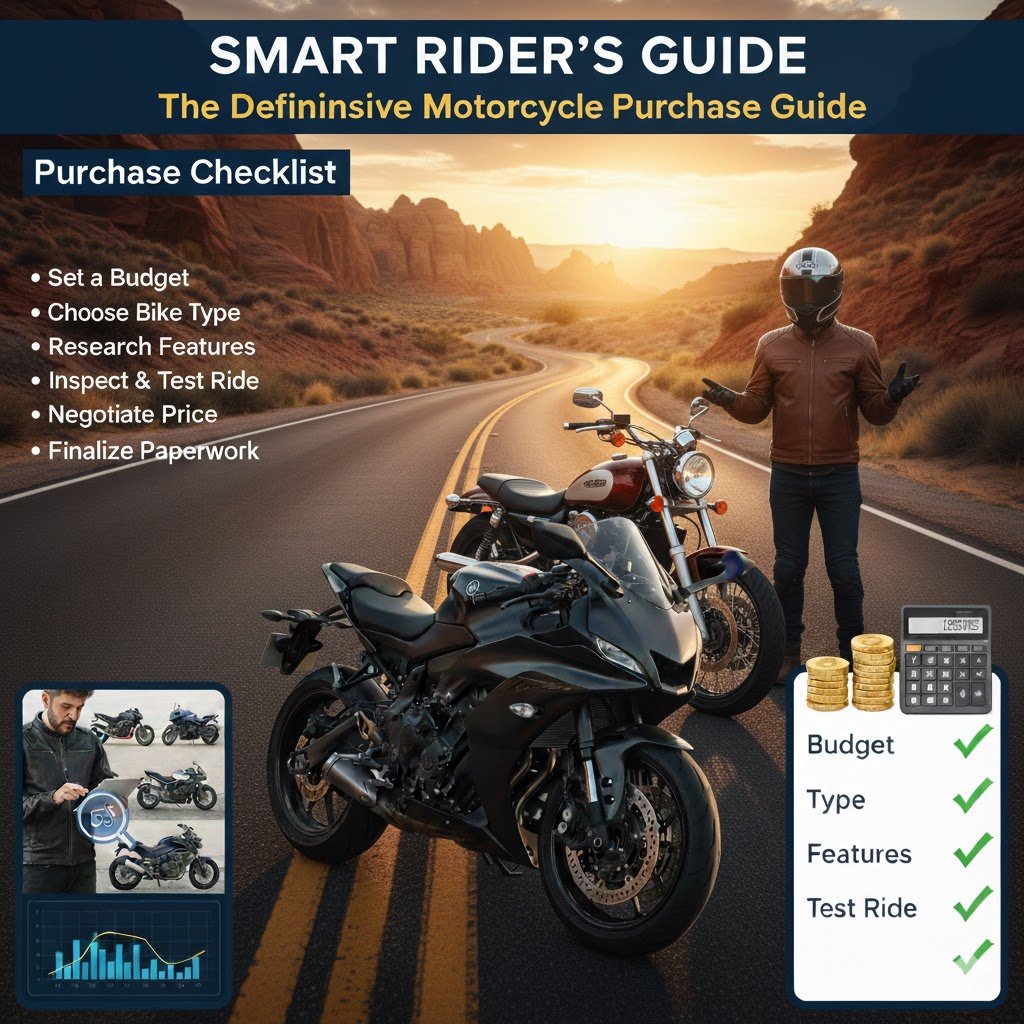
Selecting a motorcycle can be challenging because of the vast number of models, styles, and price points. A buying guide is a valuable tool that helps riders make informed choices. It provides insights into performance, comfort, safety, reliability, and overall value. Whether you are a first-time buyer or upgrading to a new model, following a structured guide ensures your motorcycle aligns with your riding needs and budget.
Identifying Your Riding Requirements
Before making a purchase, it’s essential to evaluate how you plan to use your motorcycle. Determine if your primary focus is city commuting, weekend rides, long-distance touring, or off-road adventures. Understanding your intended usage narrows down your options and ensures the motorcycle you choose matches your riding lifestyle.
Exploring Different Motorcycle Categories
Motorcycles are designed for specific purposes. Sports bikes prioritize speed and agility, cruisers focus on relaxed comfort, touring bikes are ideal for long trips, and adventure bikes are versatile for both on-road and off-road use. Commuter motorcycles emphasize fuel efficiency and ease of handling. A buying guide explains the characteristics of each type, helping buyers select a category that fits their requirements.
Assessing Engine Capabilities
The engine is a critical factor when selecting a motorcycle. Buying guides evaluate engine displacement, horsepower, torque, and acceleration. They also cover fuel efficiency, smooth gear transitions, and ride quality. Understanding these factors helps riders choose a motorcycle that matches their riding style, skill level, and expected performance.
Comfort and Riding Position Evaluation
Riding comfort is a vital consideration. Buying guides assess seat height, handlebar placement, footpeg alignment, and suspension performance. Comfortable ergonomics minimize fatigue during long rides, enhance control, and contribute to a more enjoyable experience. Test rides are recommended to ensure proper fit and comfort before finalizing a purchase.
Prioritizing Safety Features
Safety is a top priority for motorcycle riders. Buying guides highlight essential safety features such as ABS brakes, traction control, stability systems, and protective lighting. They may also provide guidance on helmets, jackets, and other protective gear. Understanding a motorcycle’s safety features helps riders make choices that reduce risk and increase confidence on the road.
Evaluating Technology and Smart Features
Modern motorcycles come equipped with technology that enhances convenience, performance, and safety. Buying guides cover digital instrument clusters, ride modes, Bluetooth connectivity, GPS systems, and LED lighting. Awareness of these features helps buyers select motorcycles that offer advanced functionality while improving the overall riding experience.
Considering Fuel Efficiency and Ownership Costs
Owning a motorcycle involves ongoing costs. Buying guides provide insights into fuel economy, service intervals, replacement parts, tire longevity, and insurance. Understanding these costs allows riders to make financially sound decisions and select motorcycles that are economical over the long term.
Comparing Different Models and Brands
Buying guides often include comparisons between motorcycles within the same class. They analyze performance, comfort, safety features, and pricing across different models and brands. Comparing options helps riders identify the motorcycle that provides the best fit for their needs and offers the most value.
Advantages and Drawbacks of Each Model
Comprehensive guides list the benefits and limitations of each motorcycle. Pros may include engine performance, handling, comfort, or innovative features, while cons could involve higher maintenance costs or limited storage. This overview helps buyers weigh trade-offs and make informed decisions.
Insights from Motorcycle Owners
Real-world feedback from riders adds practical insight. Buying guides often incorporate user experiences regarding long-term reliability, comfort, and performance. Considering these perspectives allows potential buyers to anticipate the real-life ownership experience of a motorcycle.
New Model Introductions and Updates
Motorcycle manufacturers frequently release updated models with improved technology, safety, and performance. Buying guides provide information on new releases and model updates. Staying informed about the latest motorcycles ensures buyers have access to modern features and design improvements.
Customizing Your Motorcycle
Many riders like to personalize their motorcycles. Buying guides explore available customization options including performance upgrades, aesthetic enhancements, comfort modifications, and accessory add-ons. Knowledge of customization possibilities allows riders to plan enhancements that reflect their style and riding preferences.
Maintenance Expectations and Reliability
Reliability is a key factor in choosing a motorcycle. Buying guides discuss common maintenance needs, component durability, and potential issues. Being aware of these considerations helps riders plan for long-term care, reduce unexpected costs, and ensure a consistent riding experience.
Assessing Value and Affordability
Value is an essential factor when selecting a motorcycle. Buying guides evaluate performance, features, comfort, safety, and price to determine overall value. Understanding this balance allows riders to choose motorcycles that offer the most benefits for their budget.
Financing Options and Budget Planning
Many motorcycle buyers consider financing and insurance as part of their purchase. Buying guides provide tips on financing options, loan terms, interest rates, and insurance coverage. Knowing these aspects helps riders budget effectively and make financially responsible decisions.
Test Riding Before You Buy
Test rides are crucial in the buying process. Guides provide advice on evaluating handling, braking, acceleration, comfort, and overall control during test rides. This firsthand experience ensures that the motorcycle meets expectations and is suitable for long-term use.
Conclusion: Making the Smart Choice
Following a structured motorcycle buying guide ensures that riders make confident and informed decisions. Guides provide comprehensive information on performance, safety, comfort, technology, maintenance, and value. Combining expert advice with real-world feedback allows riders to select a motorcycle that matches their needs, experience level, and lifestyle. A well-researched purchase leads to safer, more enjoyable, and satisfying riding experiences.