The Role of Buying Guides in Motorcycle Selection
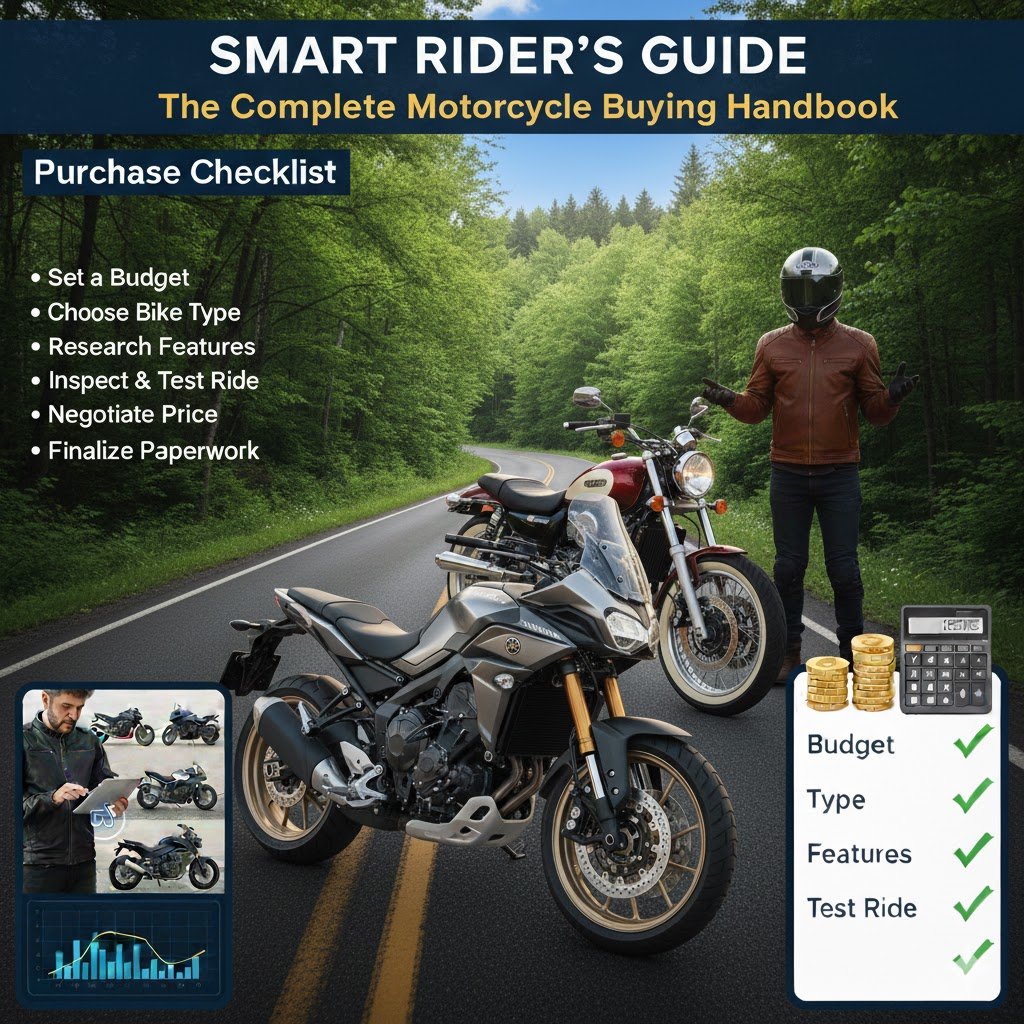
Choosing the right motorcycle can be overwhelming because of the many available models and features. Motorcycle buying guides act as a roadmap, offering insights on performance, safety, comfort, and long-term reliability. Whether you’re a first-time buyer or upgrading, guides help you select a bike that fits your needs, riding style, and budget.
Clarifying Your Riding Objectives
Before purchasing, it’s important to understand how you plan to use the bike. Are you commuting, exploring on weekends, traveling long distances, or going off-road? Knowing your primary use helps narrow down options and ensures the motorcycle suits your lifestyle.
Exploring Different Bike Styles
Motorcycles are built for different purposes. Sport bikes prioritize speed and agility, cruisers focus on comfort and relaxed riding, touring bikes excel in long-distance travel, and adventure bikes can handle both paved and off-road terrain. Commuter motorcycles emphasize fuel efficiency and ease of use in urban environments. Guides explain each style to help you select the right category.
Understanding Engine Capabilities
The engine is the core of a motorcycle. Buying guides cover engine size, horsepower, torque, acceleration, and fuel efficiency. They also look at gear smoothness and ride quality. Understanding engine performance helps buyers choose bikes that match their expected usage and desired riding experience.
Prioritizing Comfort and Fit
Riding comfort is essential, especially on long trips. Guides examine seat height, handlebar reach, foot positioning, and suspension setup. Proper ergonomics reduce fatigue, improve control, and enhance the overall riding experience. Test rides are recommended to ensure the bike suits your body and posture.
Safety Features and Rider Protection
Safety should always come first. Buying guides highlight key safety components such as ABS, traction control, stability systems, and bright lighting. They also provide guidance on protective gear, including helmets and jackets. Knowing the safety features ensures riders feel secure on the road.
Technology and Rider-Friendly Features
Modern motorcycles come with advanced technology that enhances performance and convenience. Guides review features like digital dashboards, ride modes, GPS, Bluetooth connectivity, LED lighting, and advanced brakes. Awareness of these technologies helps buyers choose bikes that improve both comfort and safety.
Managing Running Costs
Owning a motorcycle comes with recurring expenses. Buying guides discuss fuel efficiency, maintenance requirements, spare part availability, tire lifespan, and insurance costs. Evaluating running costs helps riders choose bikes that are economical and manageable over the long term.
Side-by-Side Model Comparisons
Buying guides often compare motorcycles in the same class, analyzing performance, features, comfort, and price. Brand comparisons highlight unique advantages and potential drawbacks. These comparisons help buyers make informed decisions and pick motorcycles offering the best value.
Weighing Strengths and Weaknesses
Comprehensive guides outline the benefits and limitations of each model. Advantages may include superior handling, comfort, engine performance, or innovative technology, while disadvantages might involve higher maintenance costs, fuel consumption, or limited storage. This analysis helps buyers make balanced decisions.
Learning from Other Riders
Feedback from current owners provides real-world insight. Guides include testimonials about comfort, reliability, handling, and long-term durability. Considering these perspectives allows buyers to anticipate the actual ownership experience.
Keeping Up with New Models
Manufacturers frequently release updated motorcycles with improved performance, safety, and technology. Buying guides cover these updates and new releases, helping riders stay informed about the latest advancements and make modern, reliable choices.
Personalizing Your Motorcycle
Many riders enjoy customizing their bikes. Guides highlight aftermarket options for performance upgrades, aesthetic modifications, comfort enhancements, and accessories. Knowing customization opportunities allows buyers to create motorcycles that reflect personal style and needs.
Maintenance and Longevity
Reliability and ease of maintenance are crucial for long-term ownership. Guides discuss common servicing tasks, component durability, and potential issues. Being informed about maintenance helps buyers plan ahead and avoid unexpected costs.
Assessing Overall Value
Value for money is key when selecting a motorcycle. Guides analyze performance, safety, comfort, features, and cost to determine overall worth. Evaluating value ensures riders make informed purchases that meet expectations while staying within budget.
Financing and Budget Planning
Many riders consider financing options when purchasing a bike. Guides provide advice on loans, interest rates, payment plans, and insurance considerations. Understanding these factors helps buyers budget effectively and avoid financial surprises.
Test Riding Tips Before Purchase
Test rides are essential to evaluate a motorcycle firsthand. Guides recommend checking handling, acceleration, braking, comfort, and overall control. Riding the bike ensures it meets expectations and fits your riding style.
Conclusion: Making the Right Choice
Following a motorcycle buying guide allows riders to make informed, confident decisions. Guides cover performance, comfort, safety, technology, costs, and real-world feedback. By combining expert advice and rider experiences, buyers can select a motorcycle that fits their needs, skill level, and lifestyle. A well-informed purchase ensures a safe, enjoyable, and rewarding riding experience.